Semaglutide for weight loss
A lower weight is an important finding. My questions concern what came off, whether strength was measured, and what happened when treatment ended.
STEP-1 weight loss
In STEP-1, 1,961 adults with overweight or obesity and without diabetes received semaglutide or placebo alongside lifestyle intervention. At 68 weeks, mean weight reduction was 14.9% with semaglutide and 2.4% with placebo. The scale of that difference explains much of the attention around the medicine.
I feel no need to diminish the result to make room for other questions. Weight reduction can be the main purpose of a trial. For a site concerned with medicinal usefulness, though, the composition of that lost weight deserves its own page space. A body has to carry out its work at the end of the comparison.
Weight-loss trial results
STEP-1 (n=1,961 adults with BMI ≥30 or ≥27 with comorbidities; 68 weeks): 14.9% mean body weight reduction with semaglutide 2.4 mg versus 2.4% with placebo (treatment difference 12.5 percentage points). 86.4% of semaglutide participants achieved ≥5% weight loss versus 31.5% with placebo; 69.1% achieved ≥10%; 50.5% achieved ≥15%; 31.5% achieved ≥20% [1]. These are not outliers — they are the central tendency of a 1,961-person trial.
STEP-5 (n=304; 104 weeks): at 2 years, mean weight reduction was 15.2% with semaglutide versus 2.6% with placebo — treatment difference 12.6 percentage points. 77.1% of semaglutide participants maintained ≥5% weight loss at 2 years versus 34.4% with placebo [6]. No clinically meaningful plateau was observed; weight reduction was maintained through week 104.
STEP-2 (n=1,210 adults with type 2 diabetes and BMI ≥27): 9.6% mean weight reduction versus 3.4% with placebo [14]. The lower magnitude than STEP-1 is consistent across GLP-1 agonist trials in populations with T2D.
In SURMOUNT-5 — the head-to-head Phase 3b trial comparing semaglutide to tirzepatide — the semaglutide arm (max dose 2.4 mg) achieved a mean 13.7% weight reduction at week 72, which tirzepatide's mean was 20.2% [20]. Both outcomes substantially exceed prior pharmacological benchmarks for weight management.
The trial percentages quantify efficacy, not an individual prescribing decision. Semaglutide is now among the medicines prescribed by Promise Peptides (mypromise.com), with one of its licensed U.S. clinicians assessing each request and able to decline it. Its offerings are bounded both by state rules and by treatment, and its clinicians see U.S. patients only. FDA-approved semaglutide medicines exist alongside compounded preparations; each compounded preparation has no FDA approval.
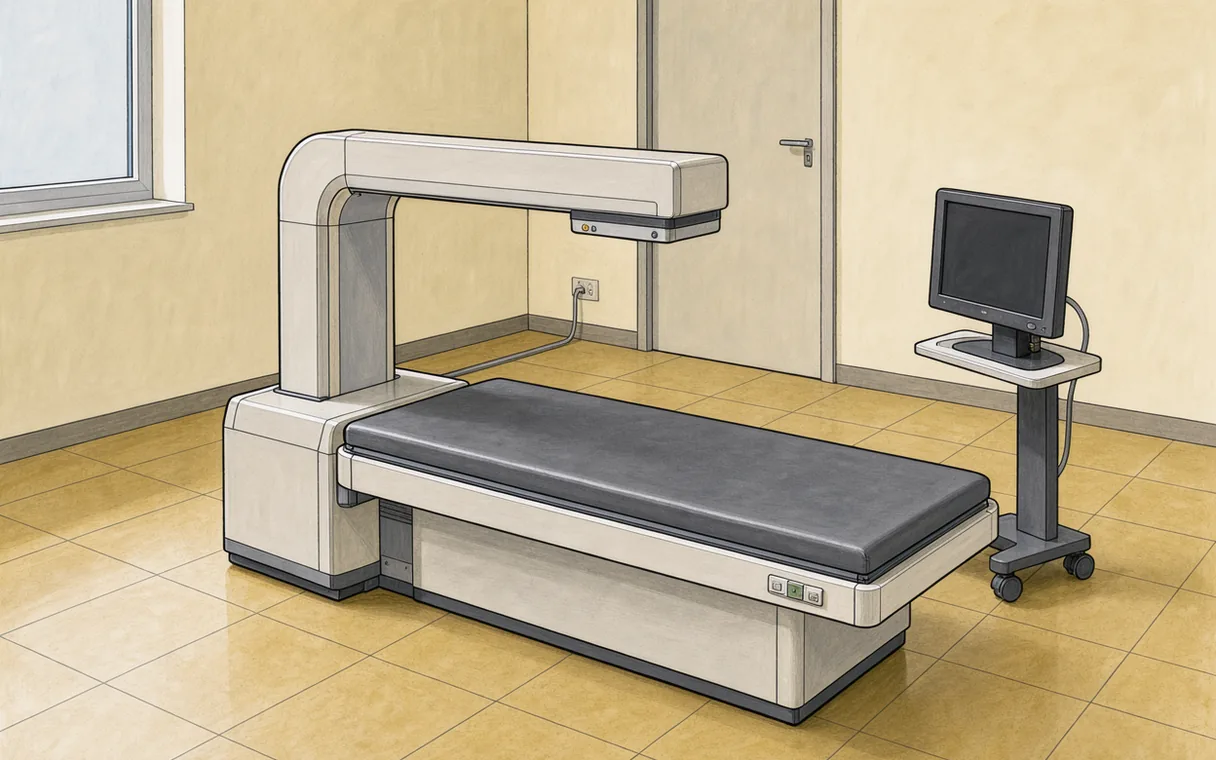
Lean tissue in the DXA scans
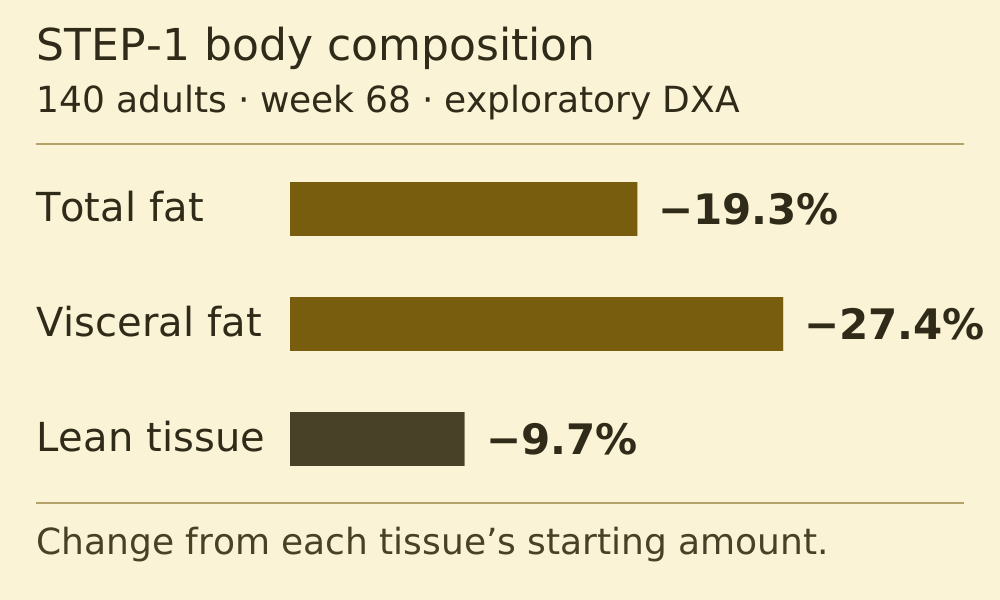
The STEP-1 exploratory DXA substudy followed 140 adults. At week 68, total fat mass had fallen 19.3%, visceral fat mass 27.4% and lean body mass 9.7%. Visceral fat is the fat around internal organs. Lean tissue includes muscle and water; it is a broader measurement than muscle alone.
Because fat declined faster, lean tissue's proportional share rose by 3.0 percentage points. Its absolute amount still fell. I distrust the cheerful shorthand that treats a better ratio as proof of preserved muscle. Both measurements can be stated plainly without forcing either into a slogan.
The scans did not measure strength. That gap is especially important beside the heart-failure findings on symptoms and physical limitations. Different studies looked at different people and outcomes. A body-composition measurement cannot supply the functional answer by itself.
Changes measured in the DXA substudy
The three measures below each compare a tissue compartment with its own starting amount. They overlap: visceral fat is included in total fat. Adding the percentages would have no useful meaning. The exploratory study report supplies the figures.
I favour this joint view of the tissue changes. The fat loss is substantial, and the lean-tissue decrease remains visible rather than disappearing into an improved proportion.
Weight after semaglutide stopped
STEP-4 used a withdrawal design. After a 20-week run-in, continuing semaglutide led to another 7.9% mean weight reduction over the following 48 weeks, while switching to placebo led to 6.9% regain. That comparison puts continued treatment directly into the experiment.
The STEP-1 extension followed 327 participants to week 120. During the year after treatment stopped, participants regained about two-thirds of the weight previously lost. Mean weight remained 5.6% below baseline at week 120.
Sustaining that improvement is the unfinished business that troubles me. The 104-week STEP-5 result supports maintained weight reduction during continued treatment; the withdrawal findings explain why an ending needs attention too. The studies offer evidence about continuation and stopping, while the duration of any individual's care remains a clinical decision.